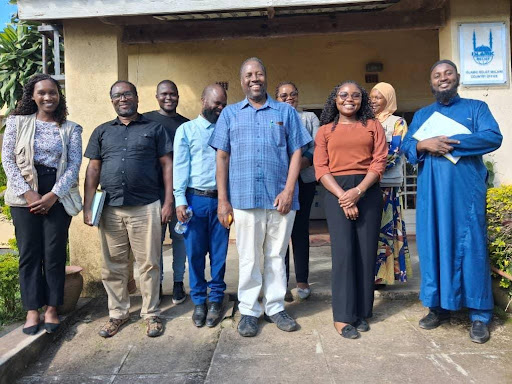

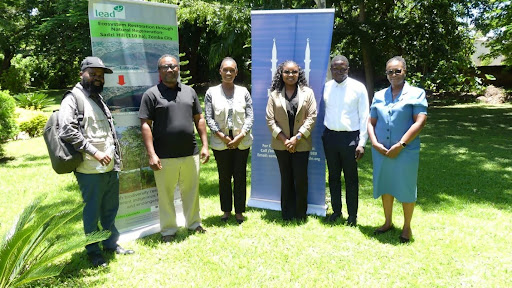
Islamic Relief Malawi (IRMW) and Leadership for Environment and Development (LEAD) have established collaboration on climate resilience, sustainable livelihoods, and ecosystem restoration in Malawi. The collaboration is expected to establish a strategic framework for future joint programming, applied research, capacity strengthening, and policy engagement.
The collaboration responds to Malawi’s growing exposure to climate-induced shocks such as droughts, floods, and rainfall variability, which disproportionately affect rural and vulnerable communities dependent on climate-sensitive natural resources. By combining IRMW’s strong faith-based community-led programming and safeguarding systems with LEAD’s technical leadership in climate adaptation, integrated water resources management (IWRM), and ecosystem-based resilience, the collaboration aims to deliver practical, evidence-driven solutions that align with national priorities.
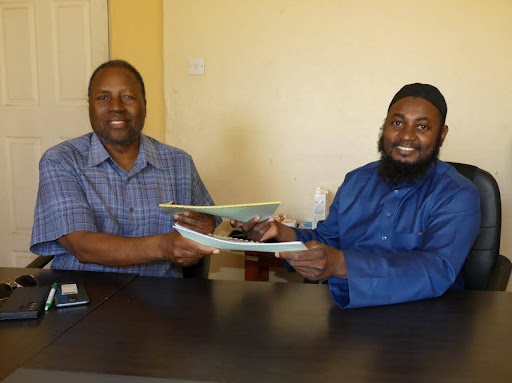
Initially, joint activities will focus on Traditional Authority Chimwala in Mangochi District as a learning and demonstration landscape. Key areas of collaboration include climate-smart agriculture, ecosystem restoration, disaster risk reduction and early warning systems, water and food security, energy-saving technologies, and knowledge generation to inform policy and practice. The collaboration may also lead in future to joint resources and promote scalable approaches that can be replicated in other vulnerable regions of Malawi.
Speaking during the meeting, representatives from both organizations emphasized the importance of collaboration and coordination in achieving long-term resilience outcomes. Collaboration and coordination will enable IR Malawi to further align with the Malawi National Resilience Strategy, National Adaptation Plan, Nationally Determined Contribution, and the Sustainable Development Goals, particularly SDGs 1, 2, 13, and 17.